Linguistic and cultural integration program: Non Spanish-speaking migration
DOI:
https://doi.org/10.32735/S0718-2201201900048625Keywords:
Culture, Language, Migration, Linguistic Interdependence HypothesisAbstract
Chile, despite having a migration history, has not generated educational programs supported by government policies that encourage the acquisition of the linguistic variety of the host society, by non-Spanish-speaking immigration community, integrating the cultural referents of both collectives. It is suggested an option to this historical oblivion and we consider the following: What elements should be integrated into a program for acquiring the linguistic variety of the host society focused to Haitian immigrants fostering the cultural recognition? It is presented the design and implementation of a program that adopts the Linguistic Interdependence Hypothesis in a dynamic classroom working in a collaborative and situated way. As a conclusion, it is possible to educate in a second language from a program that incorporates elements that promote the interrelation of all participants in equality of knowledge, as well as the use of participants’ linguistic codes as a manifestation of respect and interest for what each participant can contribute from his/her L1, revealing their culture of origin.Downloads
Download data is not yet available.
References
Downloads
Published
2019-07-08
Issue
Section
Articles
How to Cite
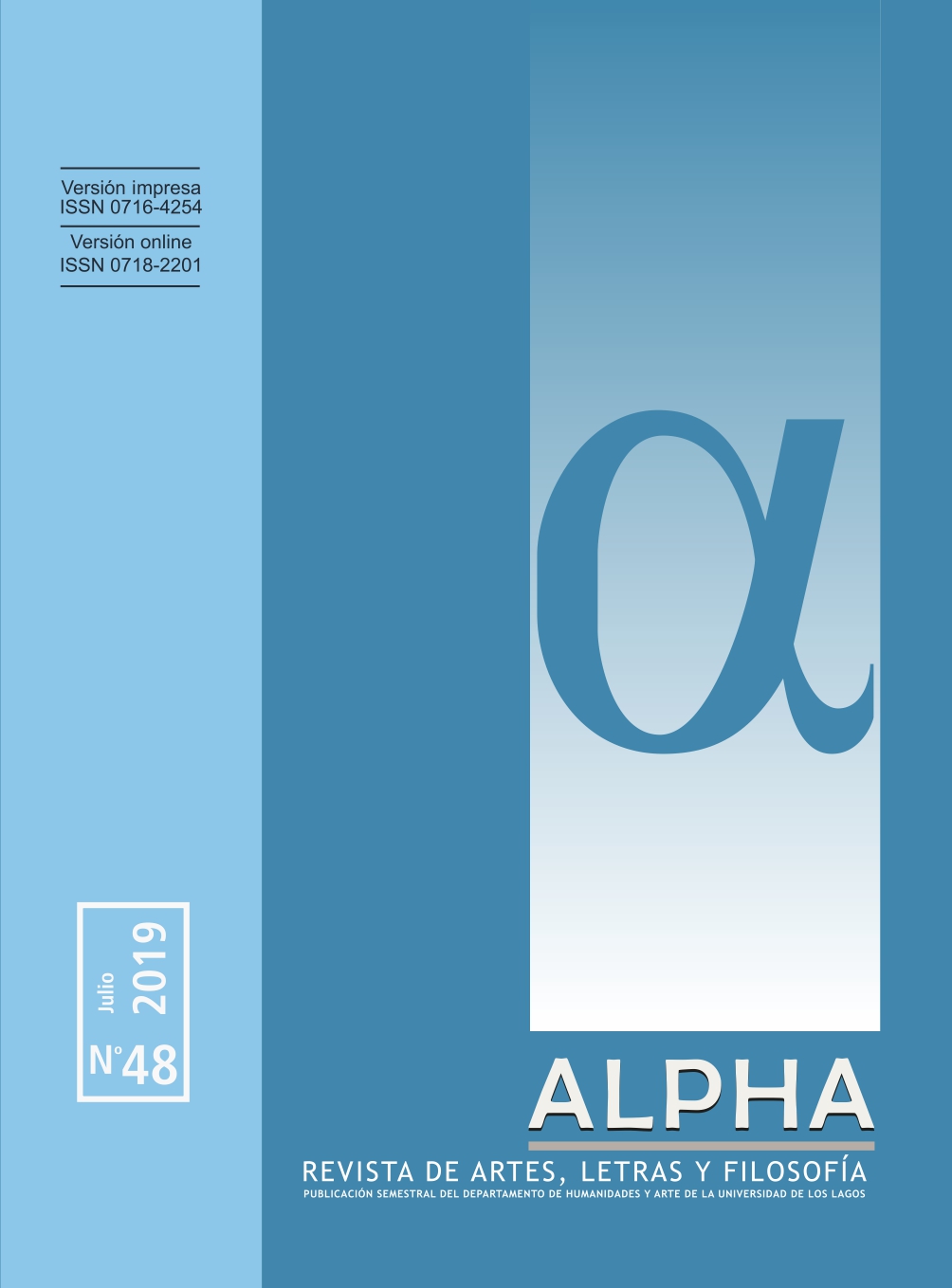
Linguistic and cultural integration program: Non Spanish-speaking migration. (2019). ALPHA. Journal of Arts, Literature and Philosophy, 1(48), 179-193. https://doi.org/10.32735/S0718-2201201900048625